Image with consent
Case Story: Mehul Sunil Valvi, Velawad, Nandurbar
KeSVF’s partnership with Jeevan Vidya Trust in Nandurbar began a year ago. The Trust empowers tribal children and women through education, self-help groups, and community support. As part of this collaboration, Jeevan Vidya’s community volunteers work alongside KeSVF in villages across the block. This joint effort helps families in remote areas access care, support and entitlements.
During one such visit, the team met Mehul Sunil Valvi, a 14 year old boy with cerebral palsy. His father, a daily wage worker earning about ₹35,000 a year, takes him along to work so he can feed him on time and keep him safe. The family had a disability certificate but no link to government schemes. The KeSVF team, led by Nurse Rahul with Jeevan Vidya volunteer Mogi Bai, identified the Sanjay Gandhi Niradhar Yojana as potential support for the boy.
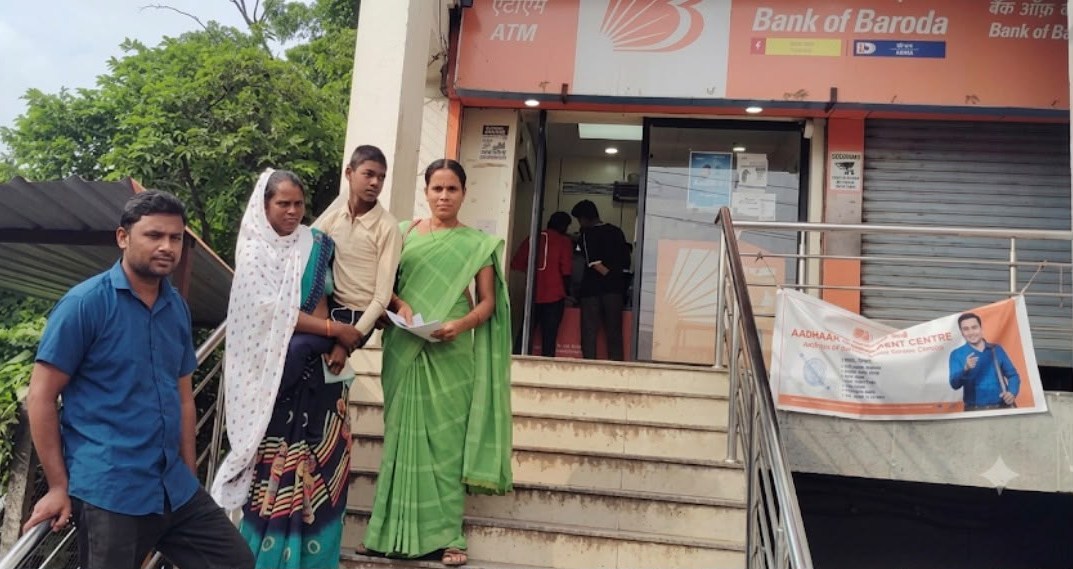
The process was arduous. Opening a bank account was the first hurdle. The family was refused at four banks due to rules and minimum balance requirements. Finally, Bank of Baroda agreed, but KYC issues caused more delays. Given the lack of accessibility in many offices and banks, Mehul had to be carried. The team stood by her side, advocating with the manager and explaining the family’s situation and need.
After the account was opened, came the scheme application. The team made multiple visits to the tehsil office, filled forms, and sought signatures from the Talathi and Gramsevak. In the end, the Talathi’s office made a home visit to check Mehul’s condition and the family’s circumstances.
With this verification complete, the KeSVF and Jeevan Vidya team submitted the online application through the government portal. Online submission is the final step that registers the case so benefits can start. For Mehul, this means monthly disability support under the scheme, sent directly to his Aadhaar linked bank account.
Finally, KeSVF’s nurse was told that all formalities were complete and he could check the status of benefits reaching Mehul by the next month. This marked the end of weeks of visits, some disappointments, and unexpected delays.
For Mogi Bai this was a learning experience. She feels proud and thankful to KeSVF that together they could help Mehul from her own village receive the support he deserved.